
Every decision covered elsewhere in this series, whether to sell versus move, how to calculate a deficiency balance, what a commercially reasonable sale actually requires, depends on one number at the foundation, an accurate valuation. Getting that number right starts with understanding the two ways a machinery and equipment appraisal actually gets done, and which one fits a given situation.
Two Recognized Formats, Not a Shortcut vs. the Real Thing
In machinery and equipment appraisal, every engagement falls into one of two formats, desktop or on-site. A desktop appraisal is completed without the appraiser physically viewing the equipment, relying instead on a detailed asset list, photographs, and documentation supplied by the client. An on-site appraisal includes a physical inspection by the appraiser. Contrary to a common assumption, desktop isn't a lesser or shortcut version, when the underlying data is complete and accurate, a desktop appraisal carries the same credibility as an on-site one. In fact, the substantial majority of machinery and equipment appraisals, by most estimates somewhere in the range of three out of four, are actually completed as desktop engagements.
Need an accurate valuation before your next disposition decision?
Valuation grounded in real market knowledge of this exact equipment category.
Talk to a Remarketing Partner →When Each Format Makes Sense
Desktop valuation
A strong fit for routine, well documented equipment, standard machine types where make, model, control vintage, and condition can be established clearly from photographs and records. It's faster and less expensive, which makes it a reasonable default for lower risk situations or when time is a real constraint.
On-site inspection
The better choice for highly specialized equipment, higher value machines, or any situation where the stakes of an inaccurate number are significant, larger lending decisions, litigation, or when there's real uncertainty about actual condition. On-site inspection also matters when a formal, USPAP compliant appraisal is specifically required, which is common for SBA lending and similar higher scrutiny situations.
What to look for in the appraiser, regardless of format
A recognized credential matters more than the format chosen. The two most established designations in this field are the Certified Machinery & Equipment Appraiser from the NEBB Institute and the Accredited Senior Appraiser in machinery and technical specialties from the American Society of Appraisers, both requiring formal training and adherence to USPAP, the Uniform Standards of Professional Appraisal Practice.
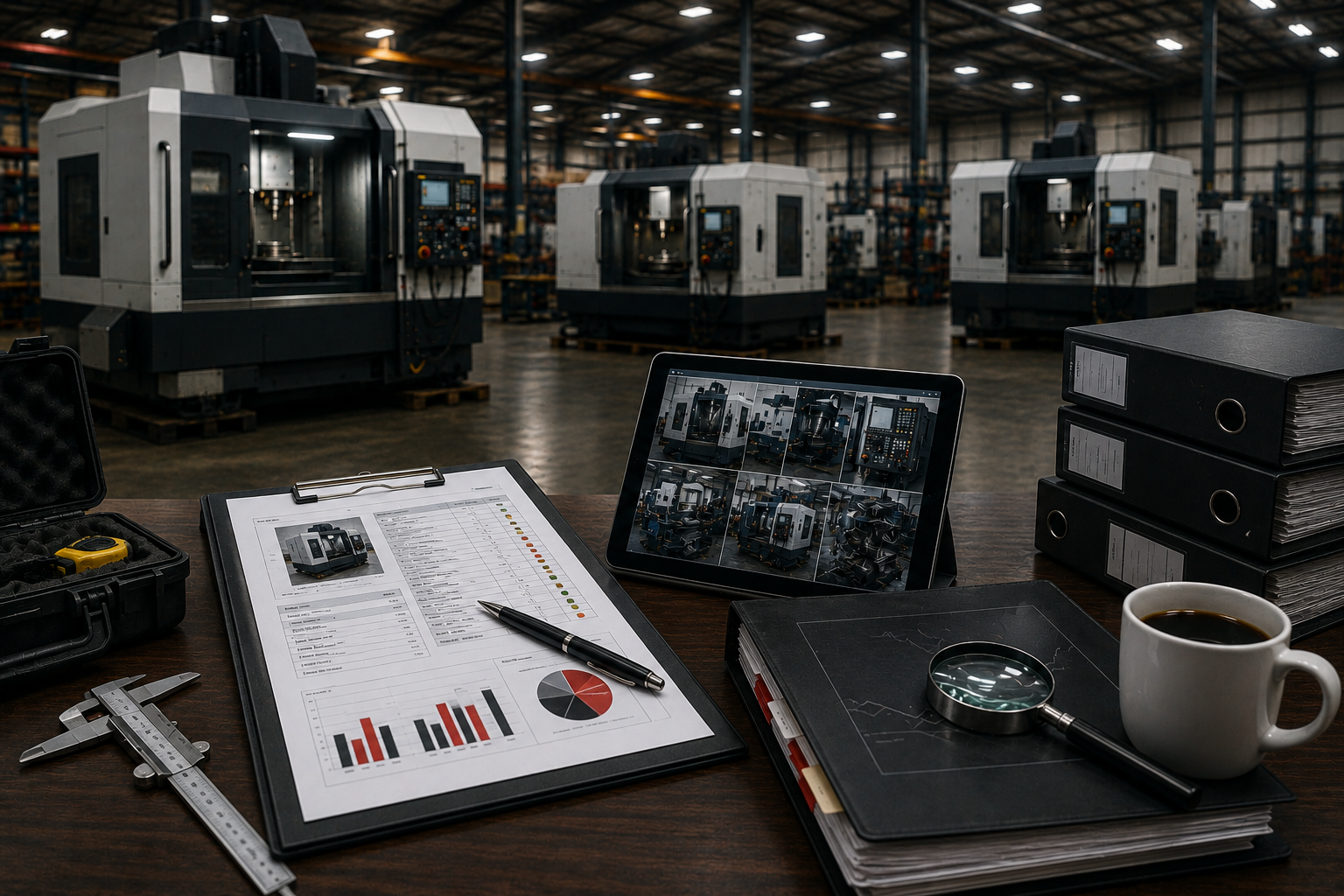
What a Credible Valuation Report Should Include
- A narrative summary explaining the valuation methodology, scope, and conclusions, not just a final number.
- An itemized asset appendix with detailed descriptions for each piece of equipment.
- Photographs documenting the equipment, whether taken by the appraiser on-site or supplied as part of a desktop engagement.
- USPAP compliance, giving the report the standing to hold up under later scrutiny.
These elements matter more than the format. A well documented desktop appraisal with all four components is more defensible than a rushed on-site visit that skips the narrative and supporting detail.
Choosing the Right Format for the Situation
Assess the stakes
Higher value, more specialized, or higher scrutiny situations lean toward on-site. Routine equipment with good documentation often doesn't need it.
Check the data available
A desktop appraisal is only as good as the asset list, photographs, and records supplied. Thin documentation pushes toward an on-site visit.
Confirm the appraiser's credentials
CMEA or ASA designation and USPAP compliance, regardless of which format is chosen.
Match the report to its purpose
A formal lending decision or litigation context may specifically require a full, USPAP compliant on-site report.
FAQ
Is a desktop appraisal actually reliable?
Yes, when the appraiser has complete, accurate data to work from and follows professional standards. The format itself doesn't determine credibility, the quality of the underlying data and the appraiser's process do.
When is an on-site inspection actually necessary?
For highly specialized or high value equipment, situations with real condition uncertainty, litigation, or when a specific lending program requires a formal on-site appraisal.
What credentials should a machinery appraiser have?
Look for the Certified Machinery & Equipment Appraiser designation or Accredited Senior Appraiser from the American Society of Appraisers, along with USPAP compliance.
Does SBA lending require an on-site appraisal?
On-site inspections are commonly required for SBA loans and similar higher scrutiny lending situations, though the specific requirement should be confirmed against current program guidelines.
Get an accurate number before you make a disposition decision
Valuation grounded in real market knowledge of CNC and machine tool equipment specifically.
Talk to a Remarketing Partner →